
Preserve Independence, Prevent Falls, Age with Dignity.
Welcome to Evergreen Aging. Here on our channel and website, we share practical mobility routines, proactive balance habits, and simple ways to stay strong and independent at home. All concepts are presented independently in our own voice, with clinical references provided at the bottom of each lesson for deeper reading.
Free & Open
No paywalls or product pitches
Mobility & Balance
Fall prevention & daily stability
Evidence-Informed
References cited at bottom
 Featured Episode
▶ Watch
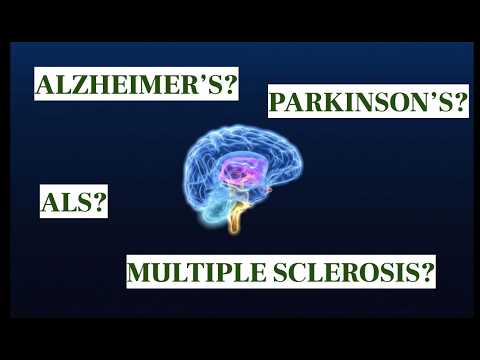
Featured Video: 5 Neurodegenerative Diseases Explained
Watch our featured caregiver episode on Evergreen Aging: understanding symptoms, preserving daily connection, and providing compassionate support.
Common Myths About Aging Debunked
Outdated assumptions keep millions of older adults unnecessarily restricted. Here is how we look at healthy longevity on our channel:
Falls are preventable. Over 90% of falls stem from identifiable factors: poor footwear, hidden medication side effects, decreased ankle proprioception, or dim home lighting. Simple daily single-leg drills reduce fall risk by over 40%.
Cartilage has no direct blood supply. It relies on gentle compression and release to absorb lubricating synovial fluid. Gentle, zero-impact joint circles nourish joints, relieve stiffness, and preserve joint spacing far better than prolonged rest.
Skeletal muscle retains the ability to synthesize new muscle protein at any age. When paired with adequate dietary protein, gentle progressive resistance training stimulates muscle fibers, improves bone mineral density, and preserves independence.
Mild forgetfulness is common, but substantial decline is not inevitable. Regular physical movement, managing blood pressure, treating hearing loss early, and prioritizing deep restorative sleep are the most powerful neuroprotective shields known today.
Free Printable Home Health & Safety Checklists
Practical, large-font guides created for our viewers and their families. Free to print, share, and review with your doctor.
12-Point Home Fall-Proofing Environmental Safety Audit
60% of senior falls occur inside the home. This room-by-room audit covers lighting, loose rugs, bathroom grab bars, stair rails, and footwear.
"Questions to Ask Your Doctor" Appointment Prep Sheet
Make the most of short clinic visits. Structured questions covering DEXA bone density scans, medication dizziness reviews, and preventative PT referrals.
Caregiver & Family Guide: Preserving Daily Independence
An educational infographic poster for family caregivers. Features "Say This, Not That" dignity phrasing, the 10-Second Pause rule, and positive mobility habits.
Refrigerator Emergency Medical Sheet (Paramedic Protocol)
First responders check the refrigerator first. Keep your medications, emergency contacts, baseline vitals, and physician details organized.
Taking over daily tasks prematurely accelerates muscle deconditioning and "learned helplessness". Before stepping in to assist with rising from a chair, tying shoes, or reaching, pause for 10 seconds. Give neural pathways time to initiate the motor command independently.
- Stand 45° behind on their weaker side; guide at the waist or elbow (never pull wrists/arms).
- Offer gentle verbal rhythm cues ("Heel, toe, heel, toe") to counter shuffling gait patterns.
- Ensure supportive enclosed footwear with non-skid rubber soles is worn indoors.
- Ensure favorite chairs are firm, 18–20 inches high, and have armrests for leverage.
- Keep main walkways clear of cords and runners without moving their personal belongings.
- Install high-lumen, glare-free nightlights along the nocturnal bed-to-bathroom path.
- Thirst perception naturally declines with age; keep a visible 32oz pitcher in plain sight.
- Pair light daily movement with 25–30g dietary protein to preserve lean muscle tissue.
- Serve hydrating foods throughout the day: sliced citrus, berries, and warm broths.
- Involve loved ones in daily choices and light tasks (folding laundry, preparing tea, watering plants).
- Validate frustrations empathetically rather than fact-checking minor memory lapses.
- Celebrate daily micro-wins: walking to the mailbox, completing a gentle seated routine.
The Caregiver's Oxygen Mask Principle
Caregiver fatigue is a recognized clinical factor in home accidents and burnout. Taking 20 minutes daily for personal quiet, deep breathing, or a walk is not selfish—it is necessary for compassionate, sustainable care.
What Health Question Can We Help Answer?
Evergreen Aging videos are created directly from questions submitted by viewers, family caregivers, and seniors. Have a question about balance, arthritis, or sleep?
Questions are routed directly to joshuaboushy@gmail.com for channel review.
Trusted Public Health & Community Resources
We encourage you to explore these established, evidence-based health institutions for ongoing support:
Official Canadian Physical Activity Guidelines for Older Adults 65+ and Seniors' Falls in Canada research.
Visit Canada.ca Guidelines →Evidence-based clinical reviews on osteoarthritis, fall prevention protocols, and sarcopenia management.
Visit MayoClinic.org →Centers for Disease Control and Prevention: Stopping Elderly Accidents, Deaths, & Injuries clinical toolkits.
Visit CDC.gov/STEADI →National Institutes of Health scientific reports on cognitive vitality, progressive resistance, and caregiving.
Visit NIA.NIH.gov →Sources & Supporting Medical Literature
Evergreen Aging presents all concepts, movements, and educational perspectives independently. For viewers, caregivers, and clinicians wishing to review the underlying scientific and public health evidence, our content is cross-referenced with the following clinical literature:
-
[1]
Public Health Agency of Canada: Seniors' Falls in Canada Report • CDC: STEADI (Stopping Elderly Accidents, Deaths, & Injuries) Clinical Practice Guideline.https://www.cdc.gov/steadi/
-
[2]
Mayo Clinic: Exercise Helps Ease Arthritis Pain and Stiffness • Synovial Fluid Stimulation and Joint Cartilage Nutrition Protocols.https://www.mayoclinic.org/diseases-conditions/osteoarthritis/in-depth/arthritis/art-20047971
-
[3]
NIA / NIH: Exercise and Physical Activity: Strength Training for Older Adults • Health Canada: Canada's Food Guide: Healthy Eating for Seniors (Protein & Sarcopenia).https://www.nia.nih.gov/health/exercise-and-physical-activity
-
[4]
WHO: Risk Reduction of Cognitive Decline and Dementia Guidelines • Lancet Commission on Dementia Prevention, Intervention, and Care.https://www.who.int/news-room/fact-sheets/detail/physical-activity
-
[5]
AGS: Updated Beers Criteria for Potentially Inappropriate Medication Use in Older Adults • Mayo Clinic: Fall Prevention Checklist.https://www.mayoclinic.org/healthy-lifestyle/healthy-aging/in-depth/fall-prevention/art-20047358
-
[6]
Osteoporosis Canada: Too Fit to Fracture: Multi-Component Exercise Recommendations for Individuals with Osteoporosis • Spine-Safe Loading Protocols.https://osteoporosis.ca/too-fit-to-fracture/